PIDA What is it?

Discover what a PIDA (Avalanche Control Plan) is, why it is implemented, the different types, and the rules that must be followed. Practical information, restrictions, and useful links to better understand how ski areas are secured.

Mountain Safety

The PIDA is an essential system implemented in ski resorts to prevent avalanche risks. It enables proactive intervention to secure ski slopes, lift systems, and frequented areas.

Controlled Avalanche Triggering

Using regulated techniques carried out by trained professionals, the PIDA involves deliberately triggering avalanches under controlled conditions, before they become dangerous.

Real-Time Information

When a PIDA is activated, the affected areas are temporarily closed to the public. Information is shared through our official channels, notably via our WhatsApp channel, to ensure everyone’s safety.

PIDA in Ski Resorts

When the mountain reminds us that it remains the strongest force, ski resorts don’t improvise.

They activate a PIDA.

But what exactly is a PIDA, what is it used for, and why are certain areas temporarily closed to the public?

We explain everything, simply.

What is a PIDA?

The PIDA, or Avalanche Control Plan, is a regulated system implemented by ski resorts to prevent avalanche risk.

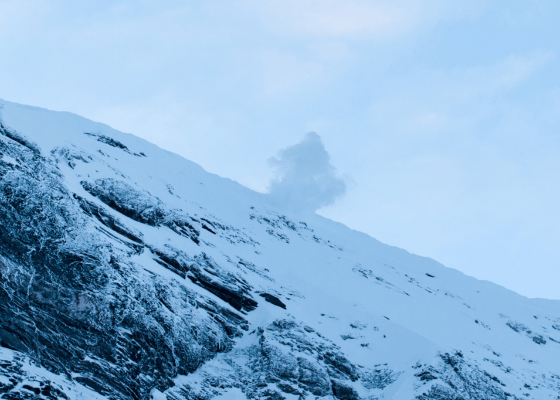
Its principle is simple (and remarkably effective): deliberately triggering avalanches in a controlled manner, before they occur naturally and put skiers, staff, or infrastructure at risk.

In Avoriaz, as in all mountain resorts, the PIDA is an integral part of ski area safety.

What is a PIDA used for?

The PIDA has a clear objective: to secure the mountain.

In practical terms, it makes it possible to:

  • protect skiers and pedestrians
  • secure ski slopes, lift systems, and buildings
  • anticipate instabilities in the snowpack after heavy snowfall, wind events, or warming periods
  • allow the ski area to open in the best possible conditions

The PIDA has a simple but essential goal: keeping the mountain safe. By deliberately triggering avalanches under controlled conditions, it reduces risks for skiers, pedestrians, and everyone present in the ski area.

This approach also aims to protect slopes, lift infrastructure, and buildings by anticipating snowpack instability. After significant snowfall, strong winds, or a thaw, the snowpack can become unpredictable. The PIDA allows teams to intervene at the right moment, before the situation becomes dangerous.

Thanks to these operations, the ski area can be opened—or reopened—under the best possible safety conditions, both for the public and for on-site teams.

In short, in the mountains as elsewhere, it’s better to trigger an avalanche at the right time than to be surprised by one in the wrong place.

The Different Types of PIDA

Each ski resort adapts its PIDA to the specific configuration of its terrain: relief, slope orientation, altitude, and inhabited or frequented areas.

To effectively secure the ski area, several avalanche triggering methods can be used, either individually or in combination.

Manual triggering

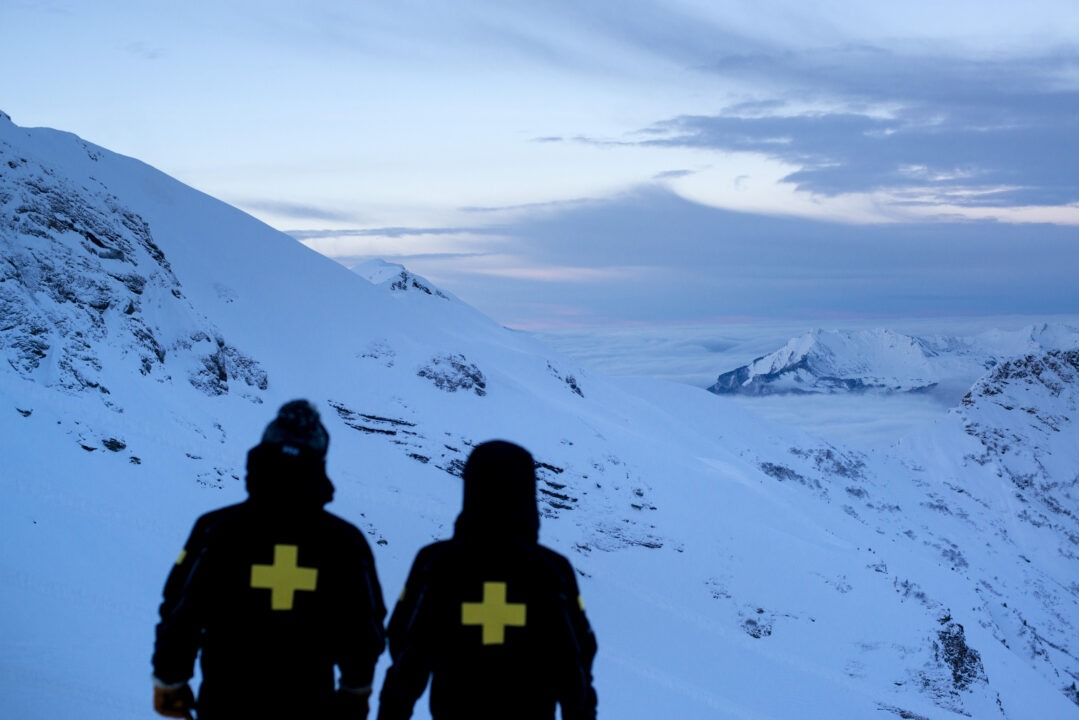
This is the most traditional method… And one of the most precise. It is carried out by specially trained ski patrollers–blasters, who operate on foot, on skis, or by snowmobile to place explosive charges at strategic points within the snowpack.

This technique allows for highly targeted work, as close as possible to high-risk areas. It is used when weather conditions, visibility, and terrain accessibility allow it.

Fixed and Automated Systems

Some slopes are too steep, too exposed, or too dangerous for direct human intervention. This is where permanent systems come into play.

Among the most commonly used:

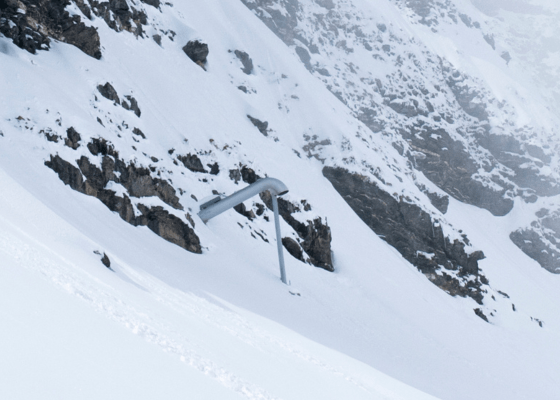
  • Gazex: Fixed tubes installed at altitude and triggered remotely. A gas explosion creates a shock wave that releases the avalanche, without the use of conventional explosives.
  • CATEX: A suspended cable system used to transport and position explosive charges above unstable slopes, which are then detonated remotely.

These systems allow for fast, repeatable, and safe interventions, even in poor weather conditions or outside ski area opening hours.

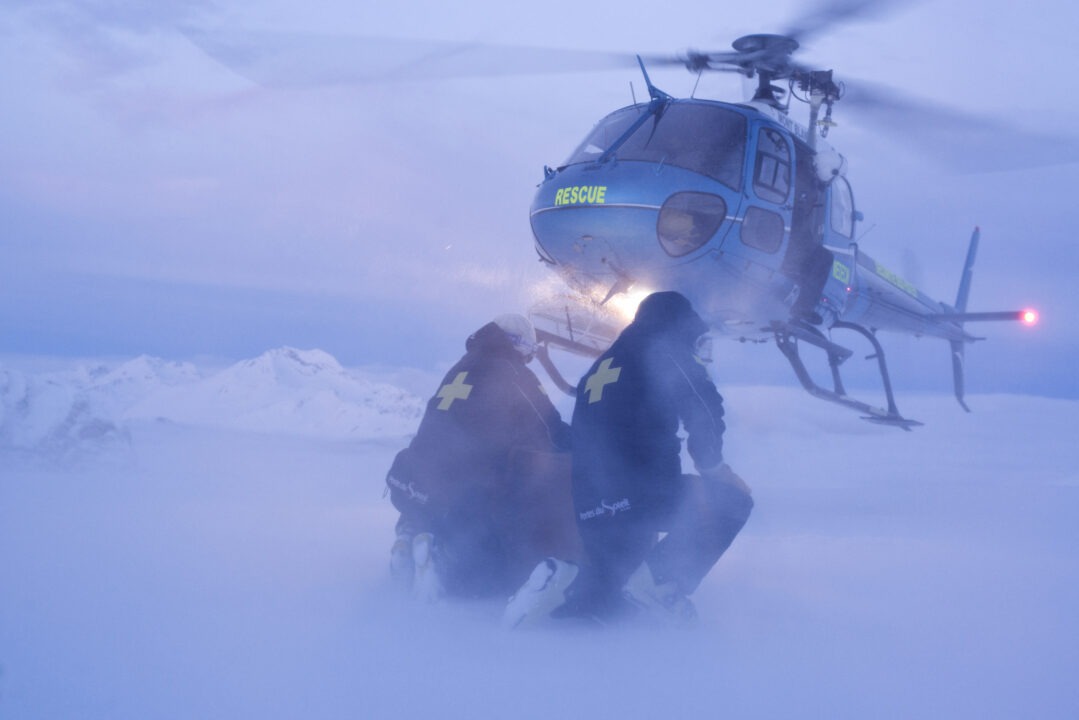
Helicopter Triggering

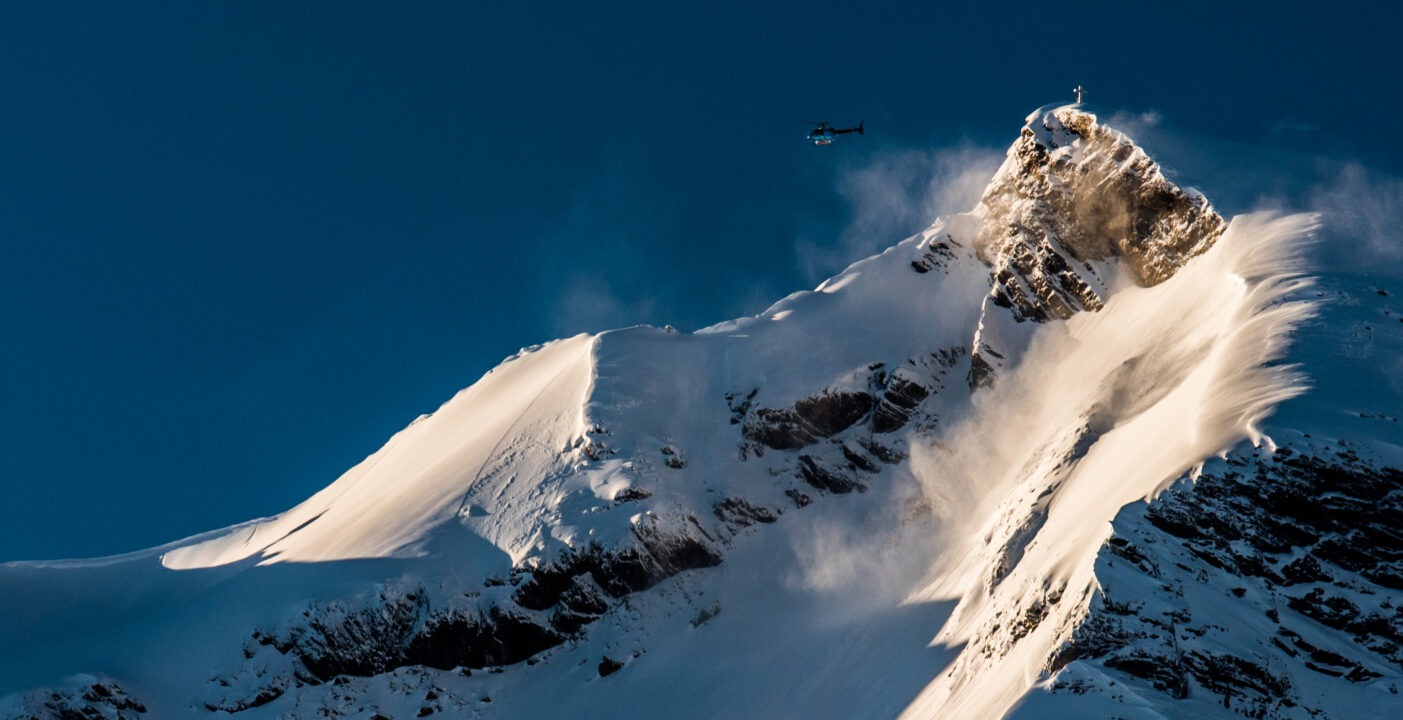
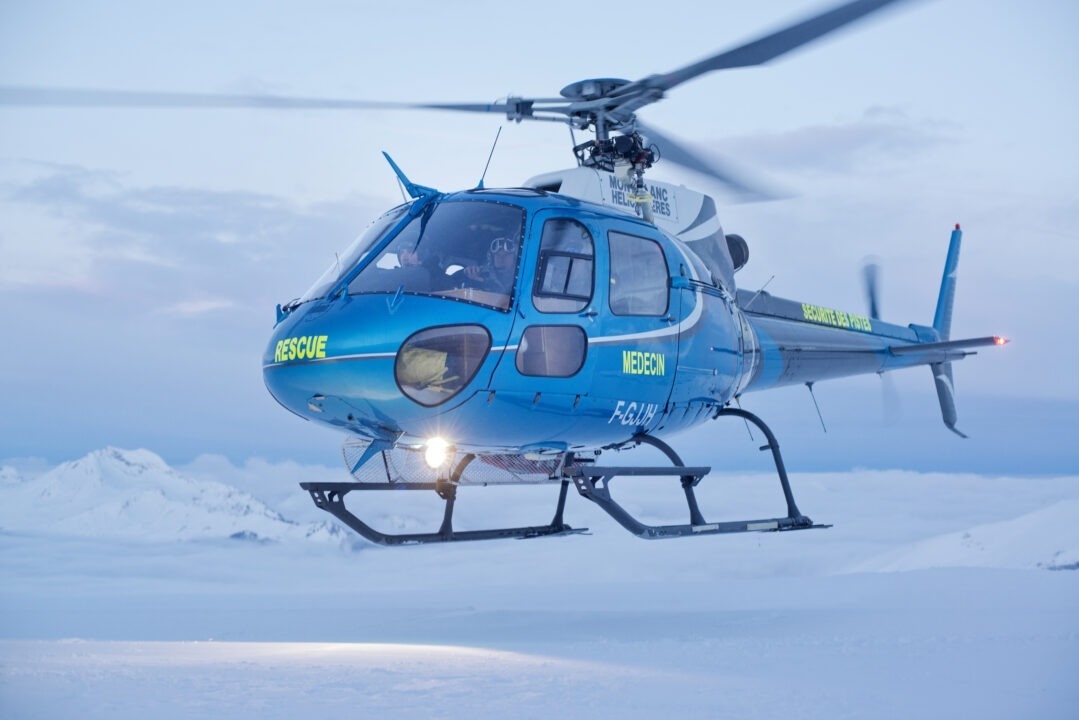
In certain specific cases, a PIDA may also include helicopter-assisted triggering.

This method involves dropping explosive charges from a helicopter, or detonating them remotely above very large or inaccessible areas.

Helicopter triggering is used:

  • In high-mountain sectors,
  • When ground access is impossible or too risky,
  • Or to secure large areas in a very short amount of time.

This technique is strictly regulated, dependent on weather conditions, and authorized by the relevant authorities.

A Combination of Methods for Maximum Safety

There is no single way to carry out a PIDA, but rather a combination of solutions adapted to each situation.

The objective always remains the same: anticipate avalanche risk to protect people, infrastructure, and the ski area.

When is a PIDA activated?

A PIDA is never launched at random. It may be activated:

  • after heavy snowfall
  • in the event of strong winds creating unstable slabs
  • during rapid temperature changes
  • based on snowpack analysis carried out by safety teams

Each operation is decided by qualified professionals, in close connection with weather and snow conditions.

What is prohibited during a PIDA

⚠️ During a PIDA, certain rules are non-negotiable—and for good reason.

It is strictly forbidden to:

  • access areas affected by avalanche triggering
  • cross barriers or closure devices
  • ski, hike, or carry out any activity in closed sectors

These restrictions are temporary but essential. They ensure everyone’s safety, including that of the teams working in the field.

How are you informed about a PIDA?

Because information is just as important as action, we communicate in real time.

PIDA operations and the affected areas are announced on our official WhatsApp channel.

A simple habit to stay informed before putting on your skis.

In summary

The PIDA is an essential tool for enjoying the mountains safely in winter.

Mostly invisible, it nevertheless plays a key role in ensuring everyone can enjoy the ski area without unpleasant surprises.

It might come in handy:

Weather and Snow Conditions

On this page, you will find the official weather forecast and real-time snow conditions in Avoriaz.

Ski area and maps

Avoriaz 1800 is located in the heart of Portes du Soleil, one of the largest cross-border ski areas in the world, where 12 French and Swiss resorts are interconnected.

Opening Hours and Access

Find here the real-time schedules of the ski lifts and access to the slopes, as well as the opening dates of the Avoriaz ski area and the Portes du Soleil.

Webcams on the slopes

In winter, Avoriaz’s webcams take you right to the heart of the snowy ski area. From Le Fornet, Arare, Les Lindarets, or Grand Conche, watch live updates of the slope conditions, weather, and snow coverage. Plan your ski days with ease and make the most of your mountain experience!

  • Discover the 10 must-do experiences in Avoriaz!

    10 must-do experiences in Avoriaz