


Off-piste skiing in Avoriaz Freedom, yes. Improvisation, no.
Find out how to practice off-piste skiing in Avoriaz safely: avalanches, BERA, avalanche transceiver, equipment and mountain training.

Safety first
Off-piste skiing offers incredible freedom, but it requires preparation, clear judgment and respect for mountain safety rules.

Good habits
Read the BERA, be properly equipped (avalanche transceiver, shovel, probe), know how to use your gear and make the right decisions before setting off.

Training in Avoriaz
A free access DVA Park, Mammut training sessions and secured areas: in Avoriaz, everything is in place to help you progress with confidence.
Find out how to practice off-piste skiing in Avoriaz safely
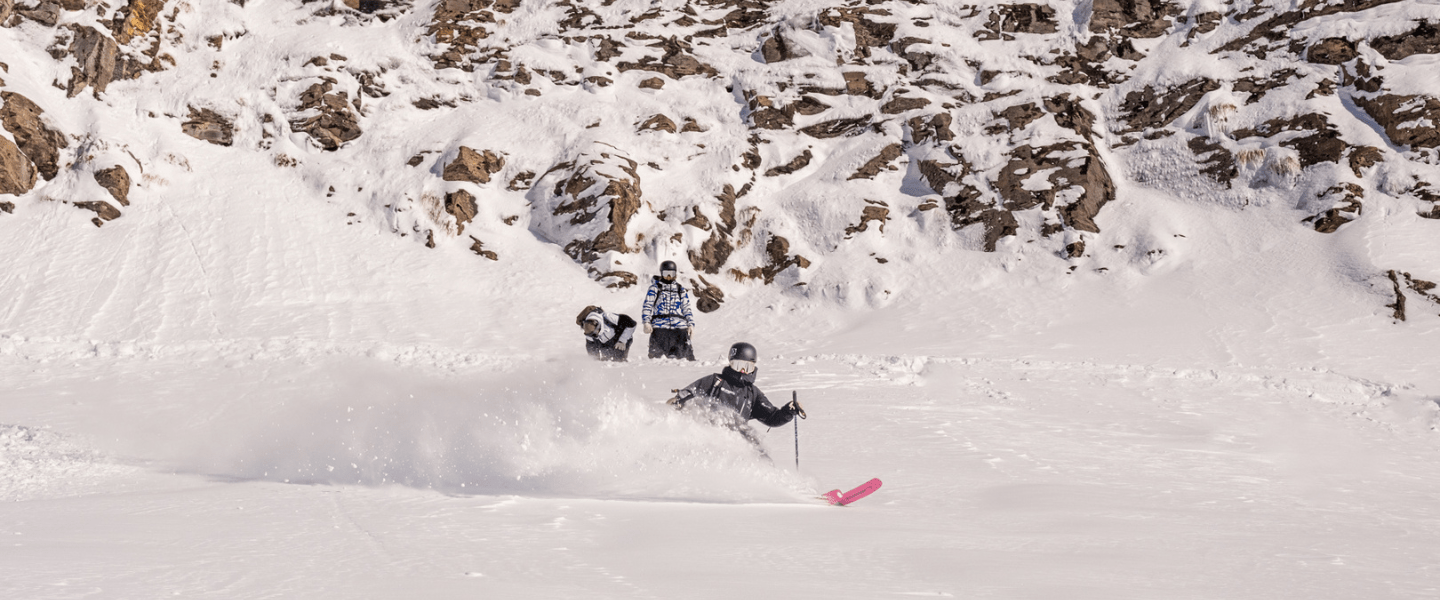
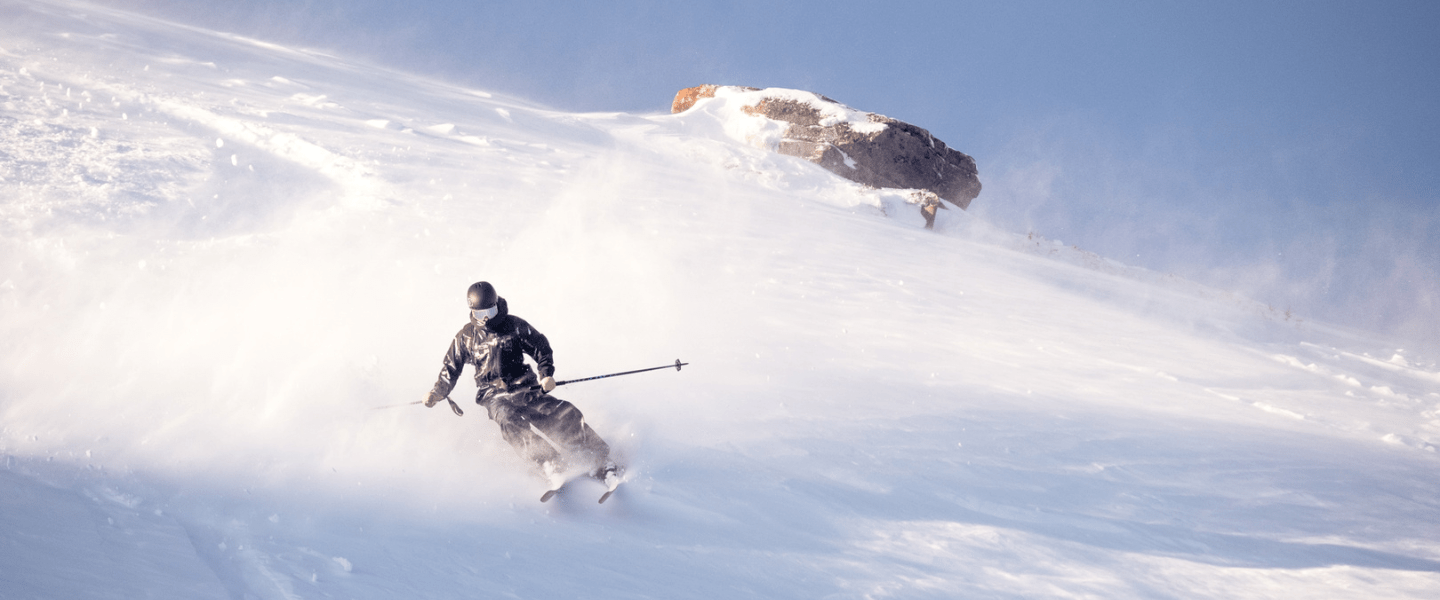
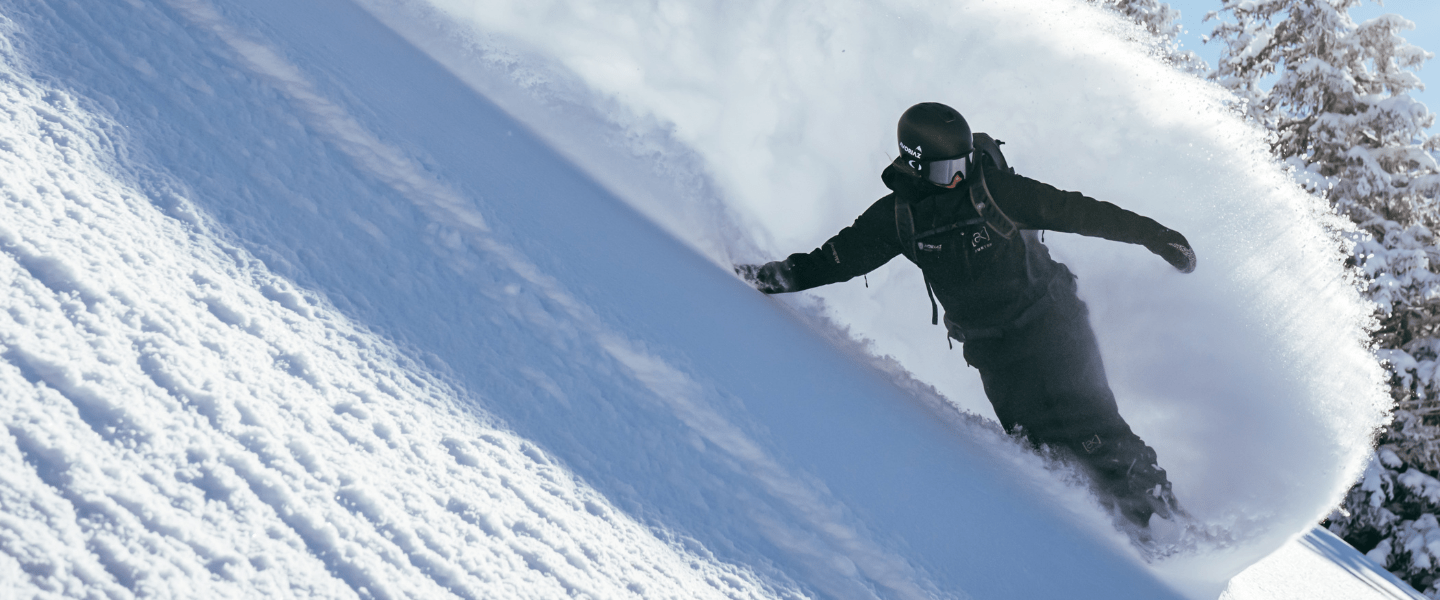
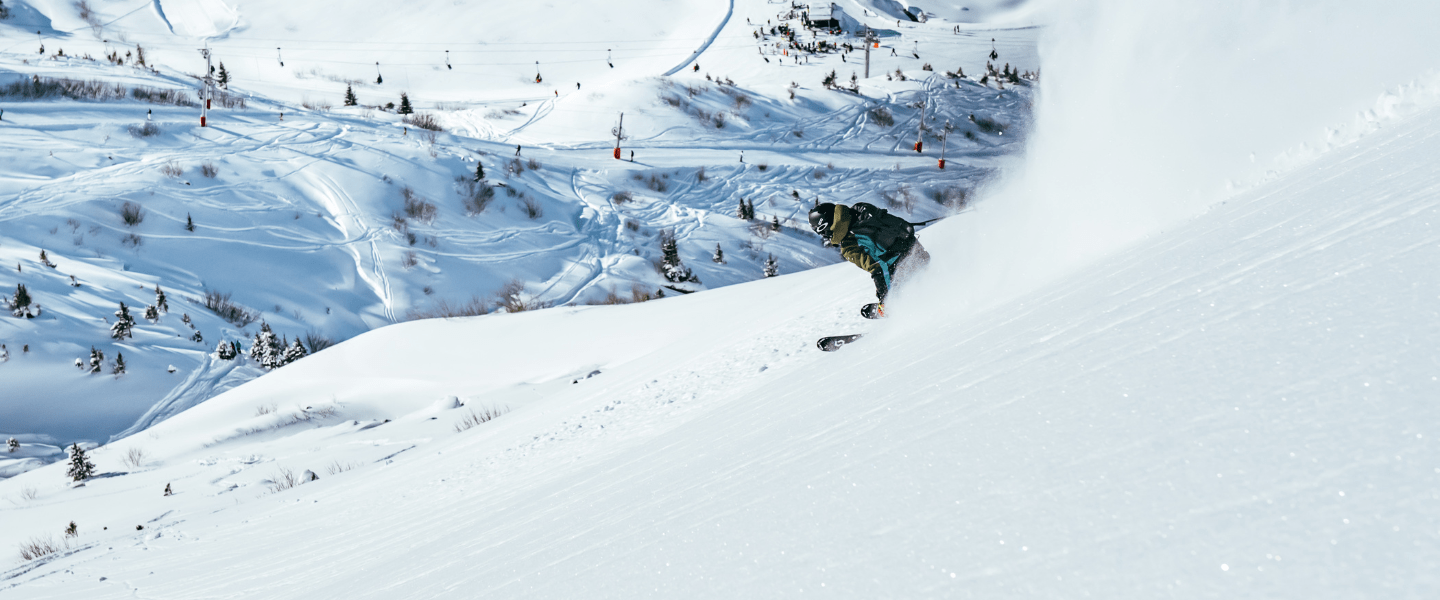
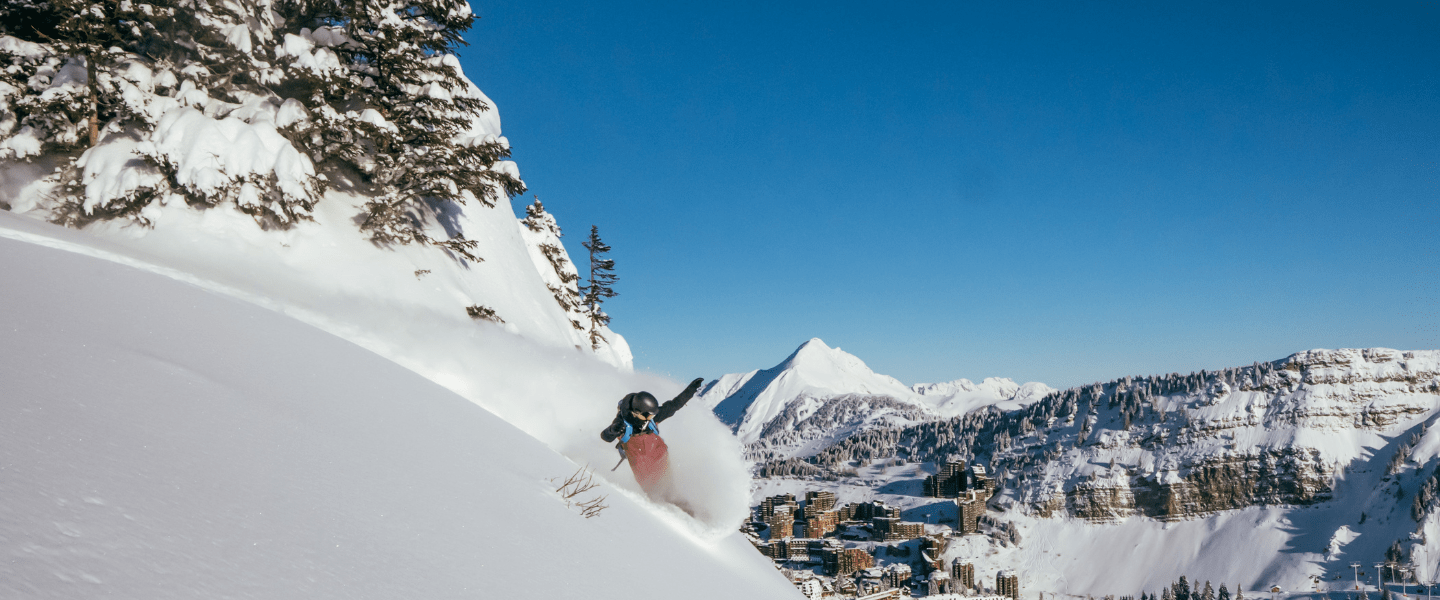
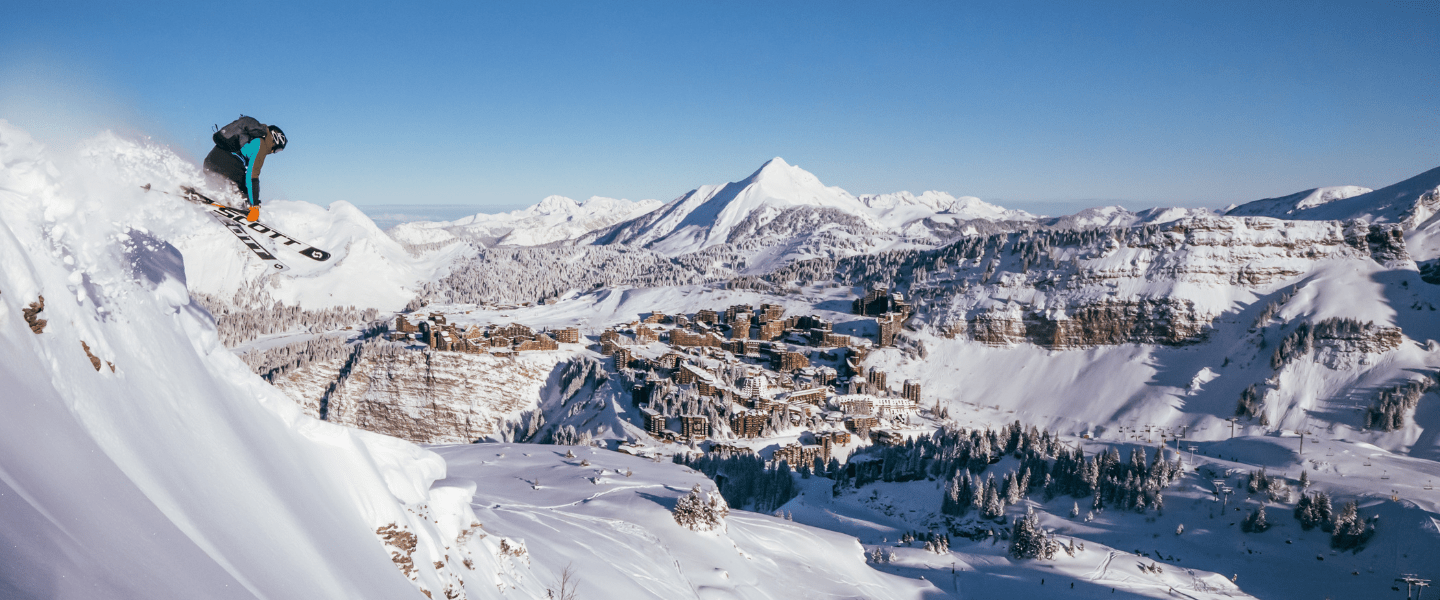
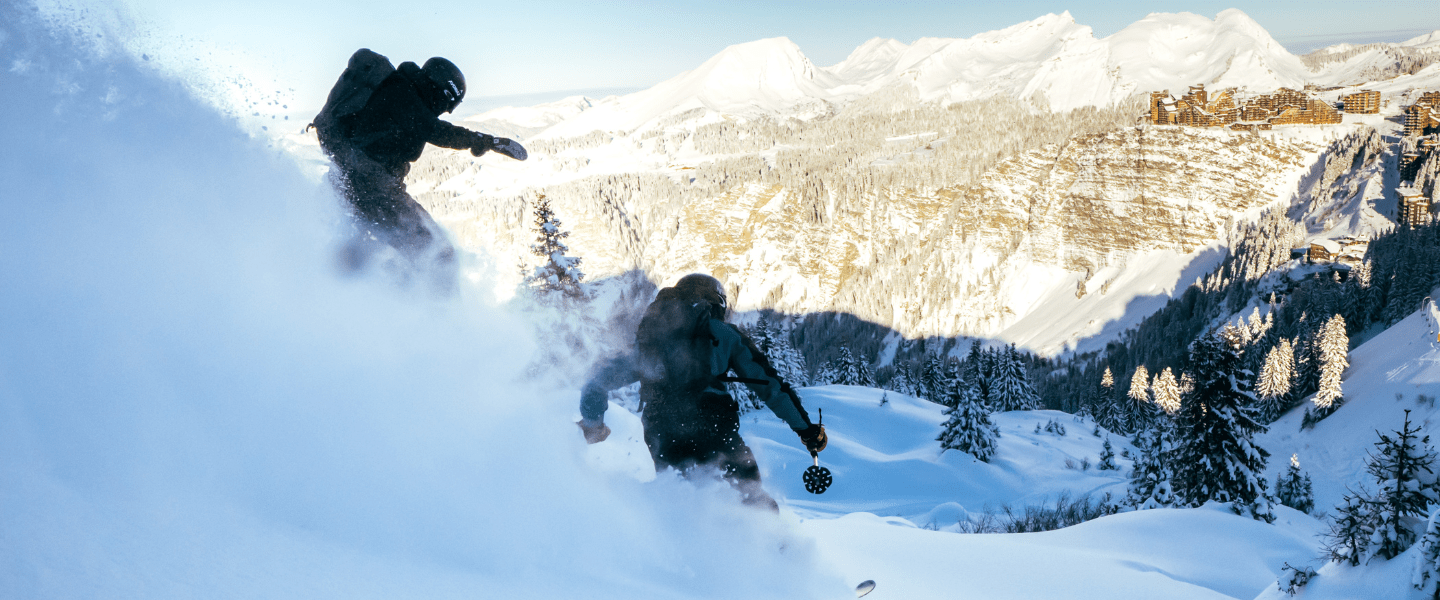
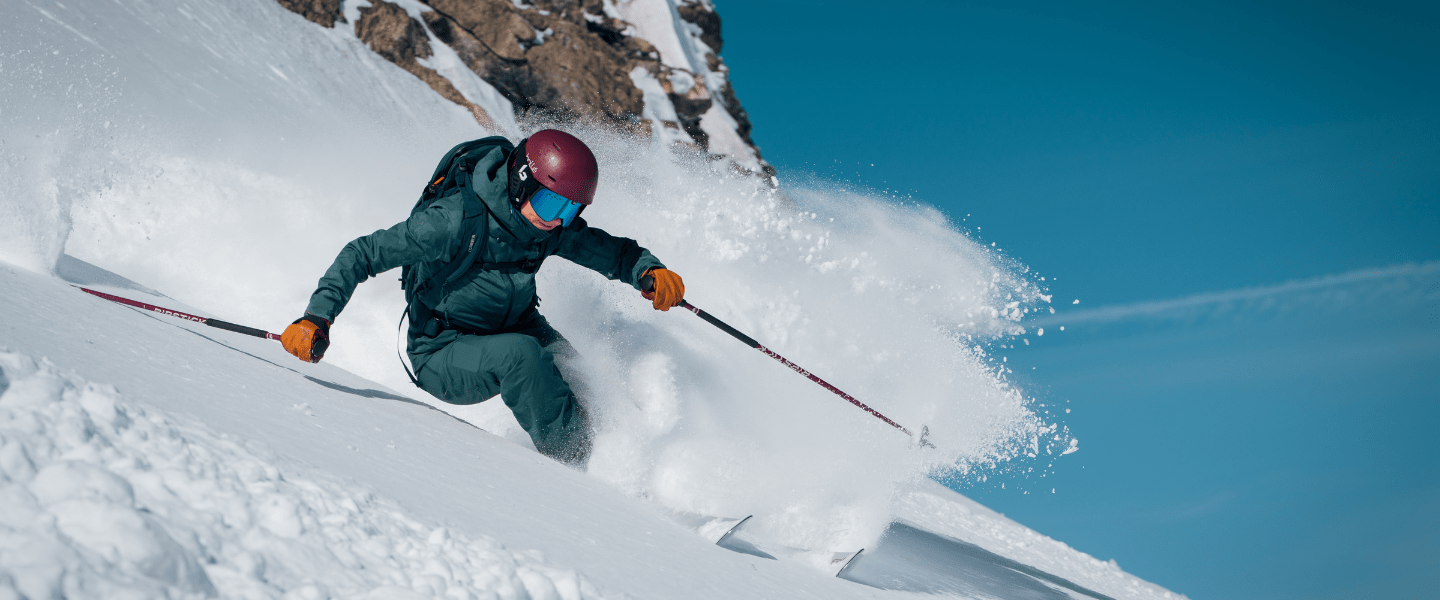
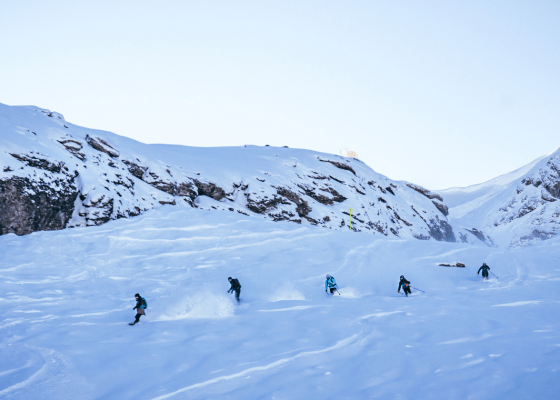
Off-piste skiing is not about performance or style. It is about nature, silence and untouched snow opening up beneath your skis. One turn, then another. The feeling of being far from everything, even though you are sometimes only a few meters away from the slopes.
That is precisely why anyone can see themselves doing it. You do not need to be a Freeride World Tour athlete to enjoy powder snow. But the mountain makes no distinction between a professional and an amateur. It reacts to the weather, the wind and the snow, not to technical skill.
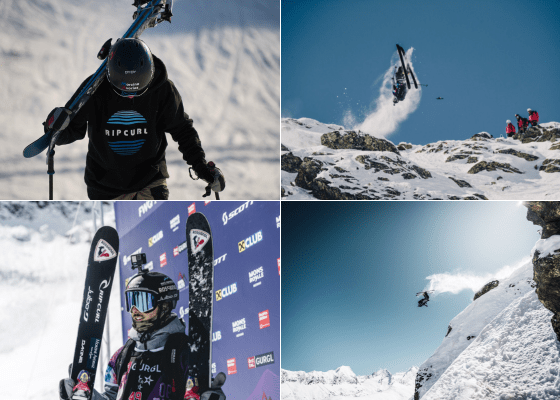
Oscar Mandin, a skier from the Morzine Avoriaz area and a Freeride World Tour athlete, is very clear on the subject:
« Yes, off-piste skiing is dangerous. And it is even more dangerous when you do not know what you are doing or when you underestimate the risks. The difference lies in preparation and in understanding the terrain. »
Before even talking about equipment: understanding the mountain
The very first thing to do before any off-piste outing is not to check your backpack. It is to read the Avalanche Risk Assessment Bulletin, known as the BERA. In France, it is published daily by Météo-France:
https://www.meteo-montagne.com/bera/chablais/
(select “Chablais”)
The BERA provides essential information: risk level, sensitive aspects, affected altitude and types of avalanche slabs present. It is not a green or red light, but a decision making tool.
An Avoriaz ski patroller sums up the situation well:
« Most accidents happen on days when people think that everything is fine. The BERA is not there to scare people, it is there to explain and to help make reasonable decisions. »
In the mountains, the real challenge is not only knowing how to react, but above all knowing how to avoid dangerous situations.
The essential trio: avalanche transceiver, shovel and probe
In off-piste skiing, there is no room for negotiation: an avalanche transceiver, shovel and probe are part of the absolute minimum.
- The avalanche transceiver makes it possible to locate a buried person.
- The probe is used to pinpoint the victim precisely under the snow.
- The shovel allows you to dig quickly and efficiently. Every second counts during a rescue.
These three tools work together. Removing just one makes the other two useless.
Oscar Mandin puts it very clearly:
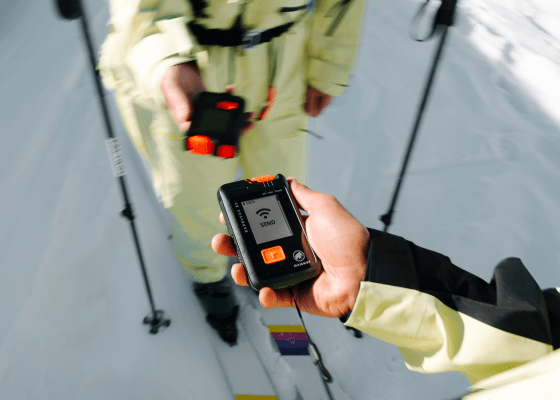
« Having an avalanche transceiver in your backpack is useless if you do not know how to use it. Under stress, you do exactly what you have practiced. Nothing more. »
In terms of equipment, Oscar notably uses the Mammut Barryvox S2, known for its readability and precision in multi victim searches. But whatever the model, the most important thing remains the same: regular training.
The airbag backpack: an advantage, not a life insurance
An airbag backpack does not prevent an avalanche. It increases the chances of staying on the surface if you are caught.
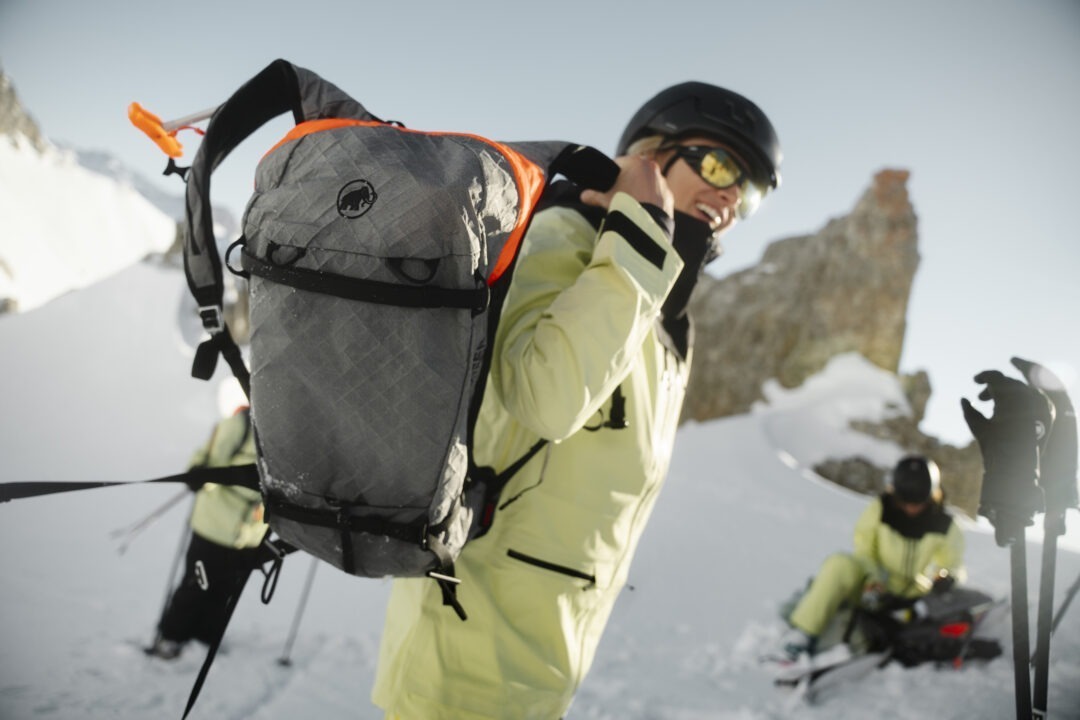
The Mammut Eiger Free 20 Airbag 3.0, used by Oscar, is designed to be lightweight, compact and easy to deploy. It is an additional prevention tool, not a wildcard.
As rescue professionals often remind us:
« An airbag backpack is not a life insurance policy. It is a last resort. Having one does not mean you can afford to take more risks. The BERA, training and decisions made in the field always remain the priority. »
Knowing how to use your gear: practise, again and again
In Avoriaz, there is a simple and effective tool to improve your skills: the Plan Brazy DVA Park, located at the top of the ski area.
Free and open to everyone, it allows you to train in victim search under real conditions. You just need to bring your avalanche transceiver and your probe. It is one of the best ways to turn a theoretical gesture into a true reflex.
To go further, Mammut also organizes training sessions dedicated to avalanche transceiver use, risk anticipation and avalanche rescue: “Snow Safety Sessions by Mammut”.
These sessions help you learn the basics, understand common mistakes, optimize search times and gain confidence.
Secured zones and professional guidance: knowing the framework
In Avoriaz, certain secured snowcross areas make it possible to enjoy powder snow in a controlled environment.
Outside these areas, the rule is clear: go with others and make sure you are properly trained. And when you want to explore more demanding terrain, using a mountain guide or a ski school is strongly recommended.
The real luxury of off-piste skiing
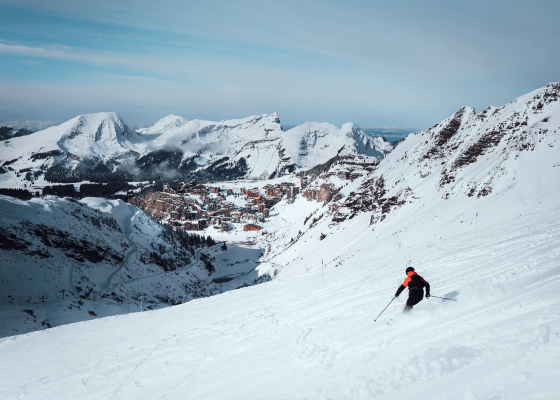
Off-piste skiing is not about ticking a line on a map or chasing thrills at all costs. The real luxury is coming back in one piece, with a smile and the desire to go again.
As Oscar Mandin sums it up:
« The best freeride day is not the one where you flirted with the limit. It is the one where you truly enjoyed yourself, feeling confident about the conditions and your decisions, and where everyone came back with a smile. »
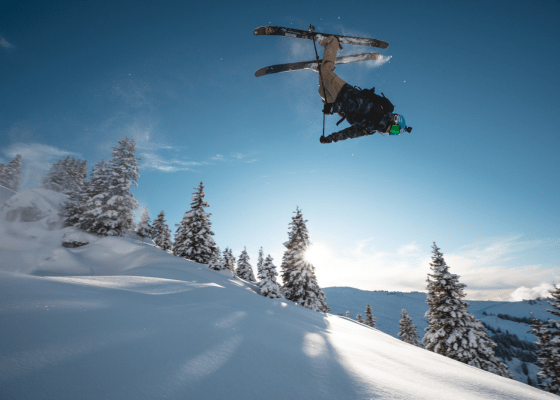
« The best freeride day is not the one where you flirted with the limit. It is the one where you truly enjoyed yourself, feeling confident about the conditions and your decisions, and where everyone came back with a smile. »
La montagne sera toujours plus forte. Autant apprendre à la lire, à la respecter et à en profiter longtemps.
This might come in handy:
Weather and Snow Conditions

On this page, you will find the official weather forecast and real-time snow conditions in Avoriaz.
Opening Hours and Access
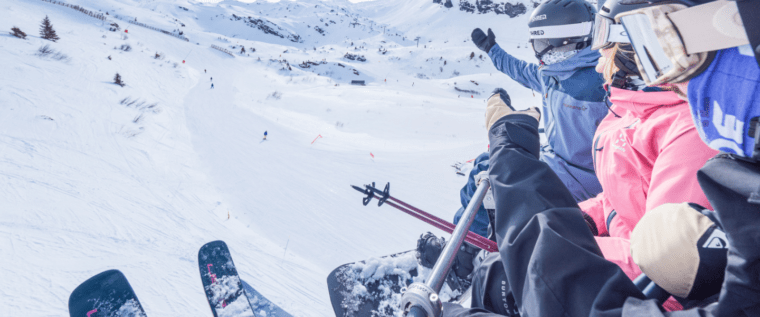
Find here the real-time schedules of the ski lifts and access to the slopes, as well as the opening dates of the Avoriaz ski area and the Portes du Soleil.
Ski area and maps
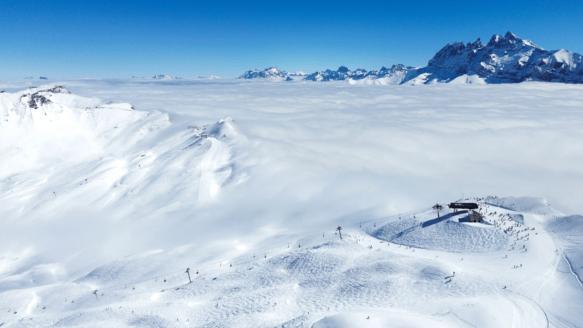
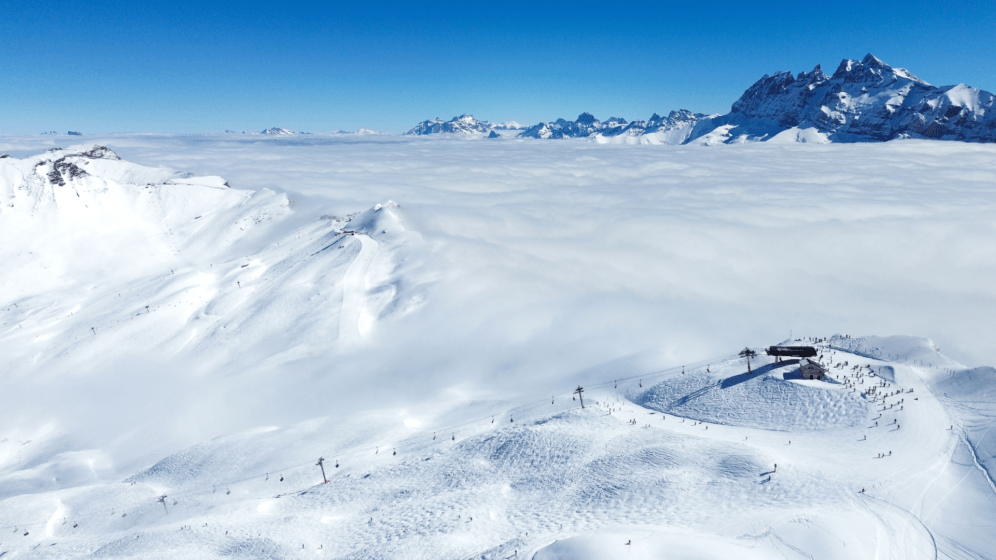
Avoriaz 1800 is located in the heart of Portes du Soleil, one of the largest cross-border ski areas in the world, where 12 French and Swiss resorts are interconnected.
Find the ski area maps

Find the ski area maps for Avoriaz as well as those for the Portes du Soleil ski area. Avoriaz is an integral part of two ski areas: The Avoriaz ski area: 35 ski lifts, 51 runs, 4 snowparks, 4 snowcross zones, The Portes du Soleil ski area: spanning 2 countries, 12 resorts, 196 ski lifts, 286 runs.
Webcams on the slopes
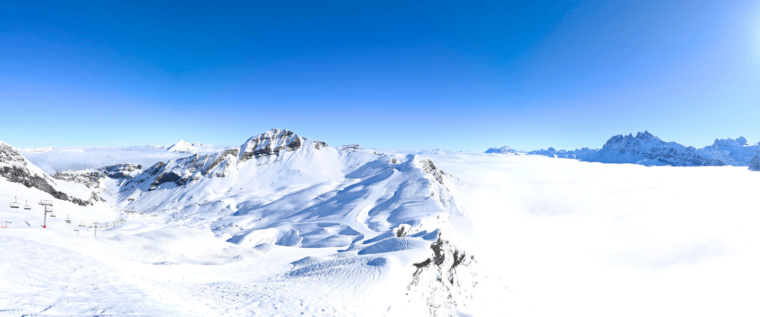
In winter, Avoriaz’s webcams take you right to the heart of the snowy ski area. From Le Fornet, Arare, Les Lindarets, or Grand Conche, watch live updates of the slope conditions, weather, and snow coverage. Plan your ski days with ease and make the most of your mountain experience!
Snowcross

The Avoriaz 1800 ski area offers a multitude of ungroomed slopes for skiers and snowboarders in search of powder sensations.
Freeride in Avoriaz
Discover the 5 major freeride and backcountry spots on the Avoriaz ski area.
Oscar Mandin
Originally from the Morzine Avoriaz area, Oscar Mandin is one of the most recognized French freeride skiers of his generation. A committed athlete on the Freeride World Tour, he has established himself over the seasons as a benchmark in high level off-piste skiing, combining commitment, terrain reading and technical mastery. His record includes several podium finishes on the international circuit, including major victories in top freeride competitions, confirming his consistency at the highest level. Beyond results, Oscar Mandin stands out above all for his responsible approach to the mountains: for him, performance only makes sense when it goes hand in hand with preparation, training and well considered decisions. A clear headed vision of off-piste skiing, shaped by experience and time spent in the field.