



Hauts-Forts 2 Historic Monument
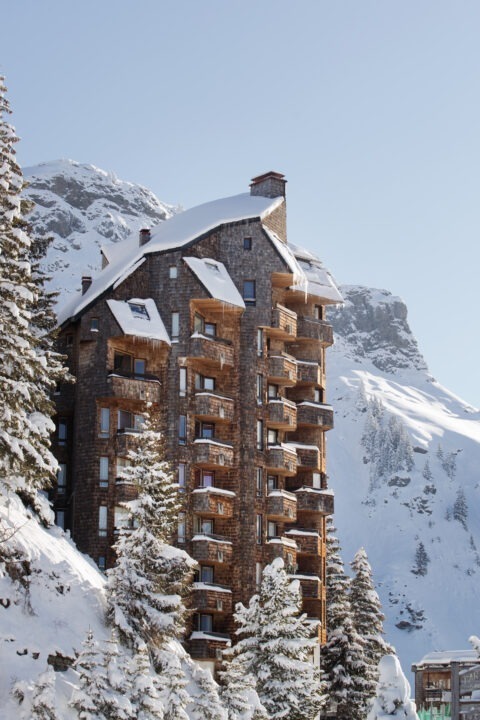
The Les Hauts-Forts 2 building has just been listed as a Historic Monument — an official recognition of Avoriaz’s unique architecture.

Architecture
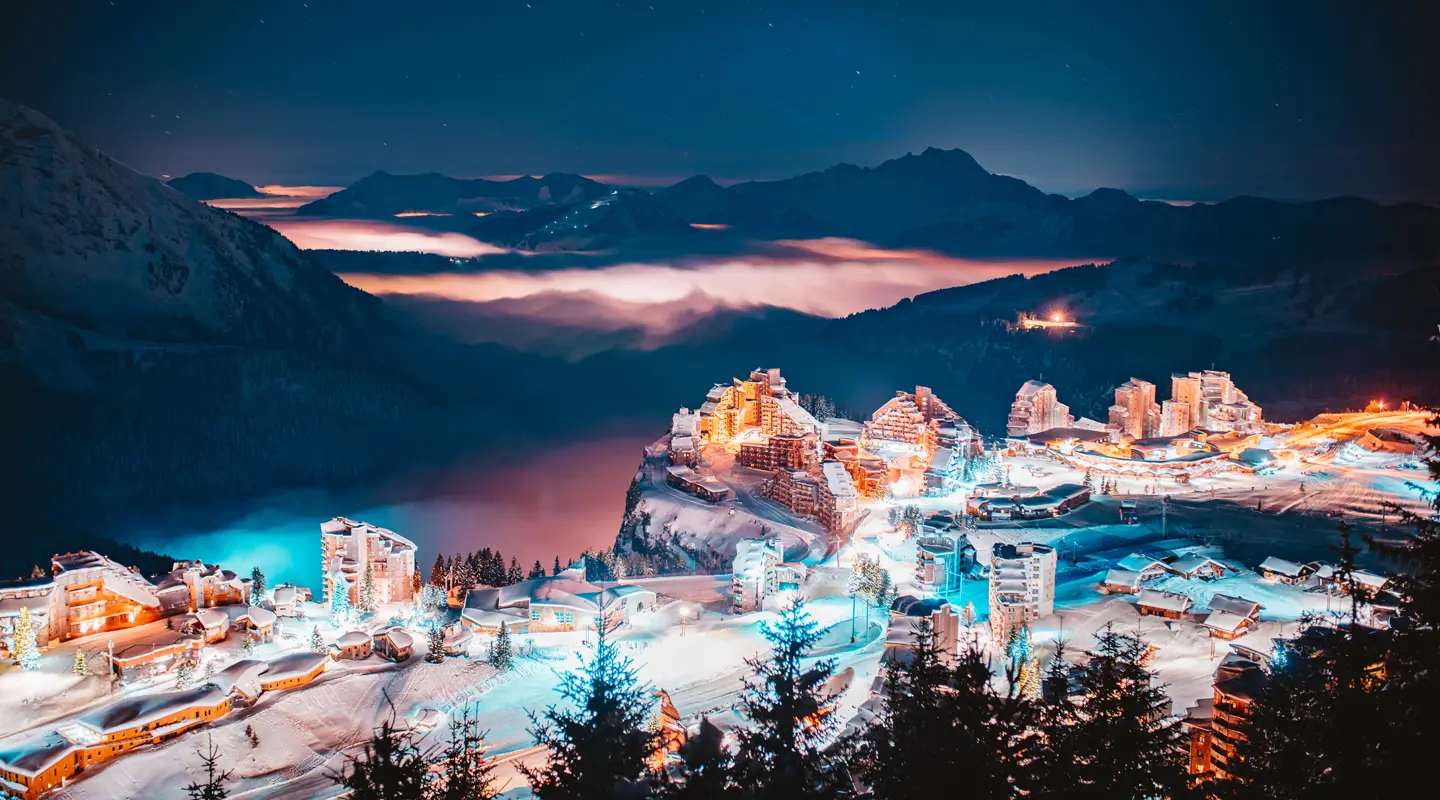
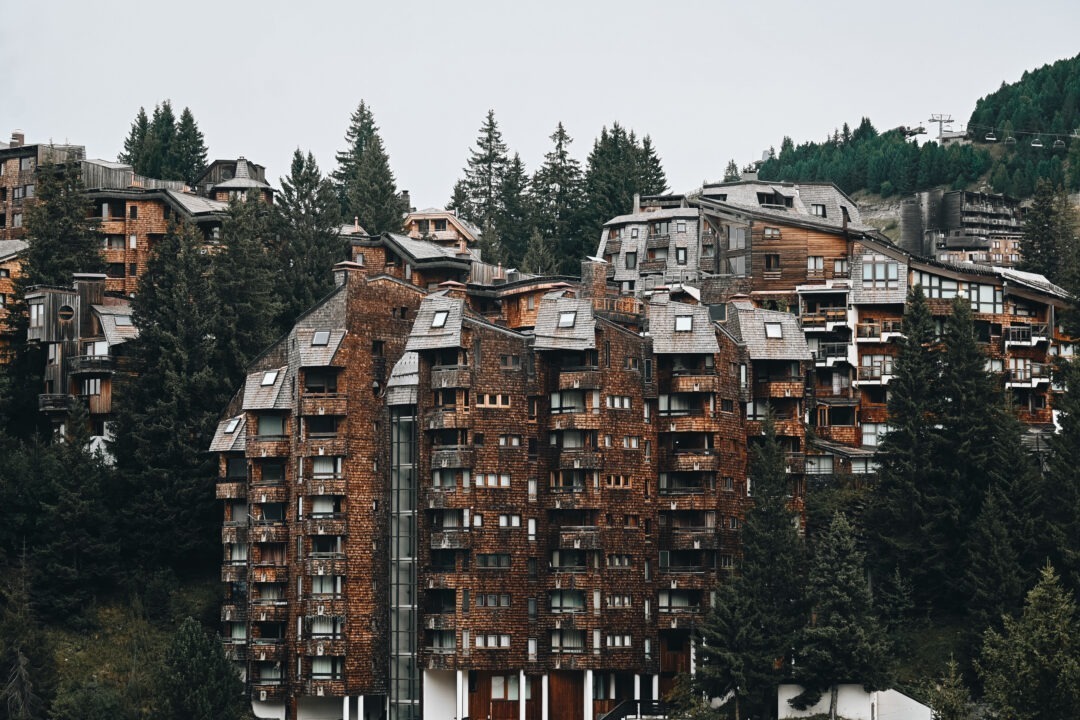
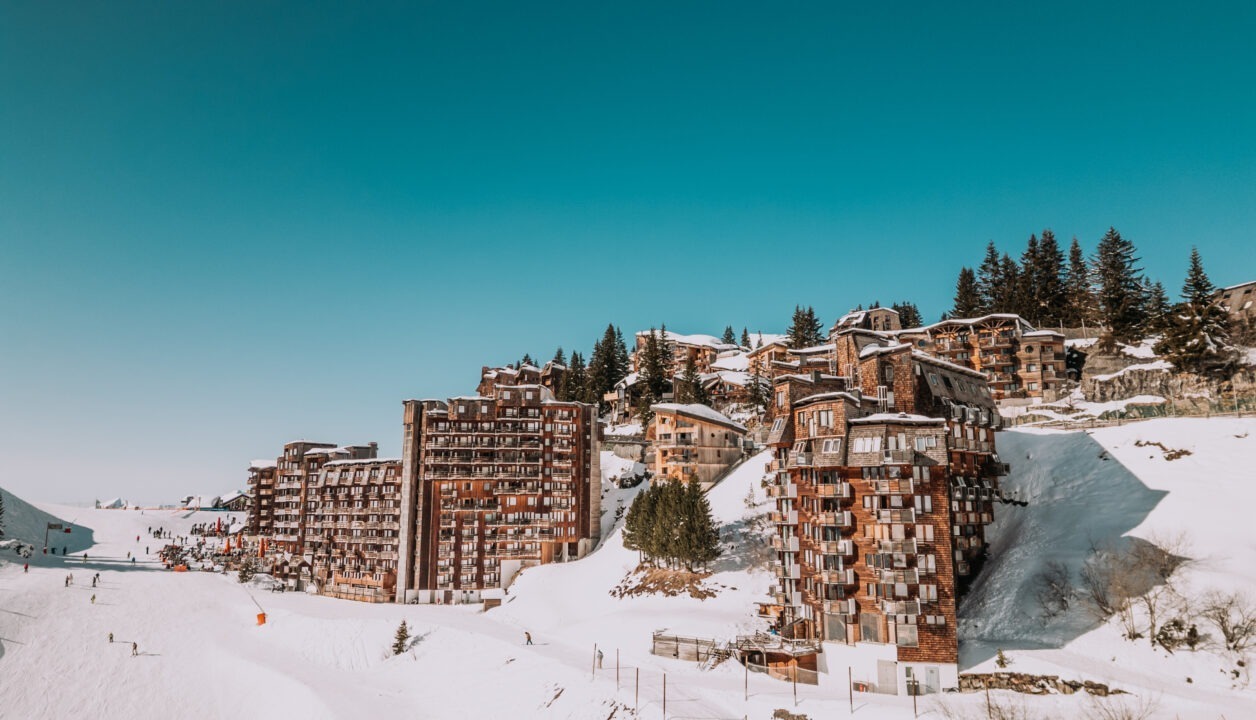
Avoriaz’s architecture mirrors the surrounding landscape and blends seamlessly into its environment. A perfect example of modernism in harmony with nature, it has been awarded the ‘Remarkable Contemporary Architecture’ label.

Woods
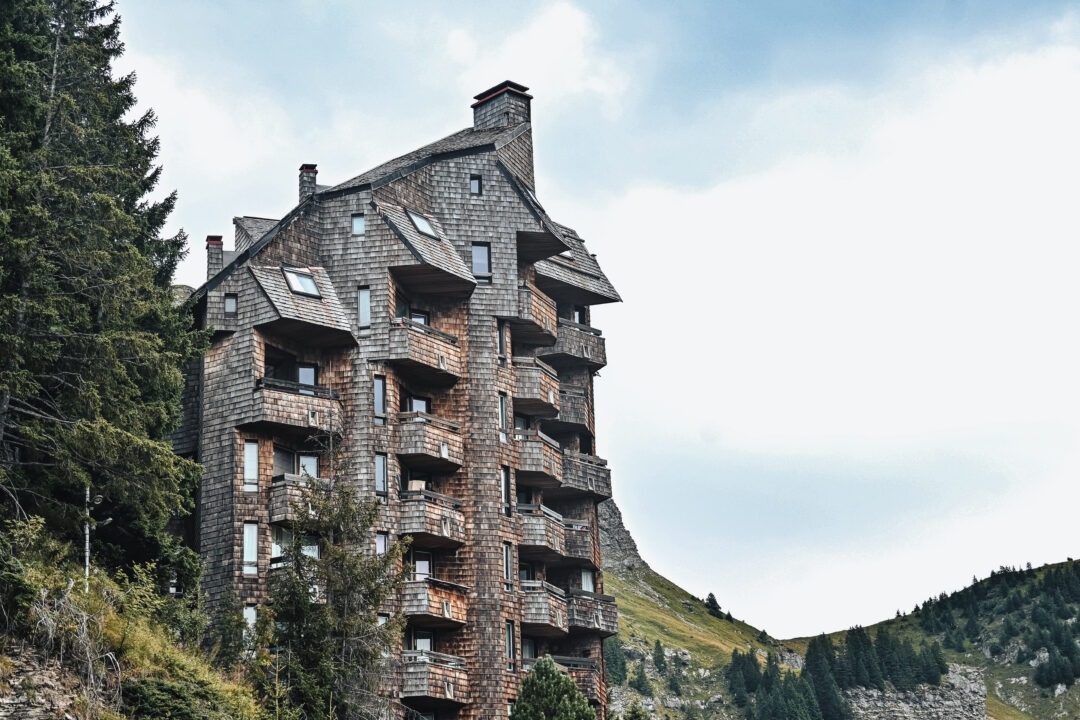
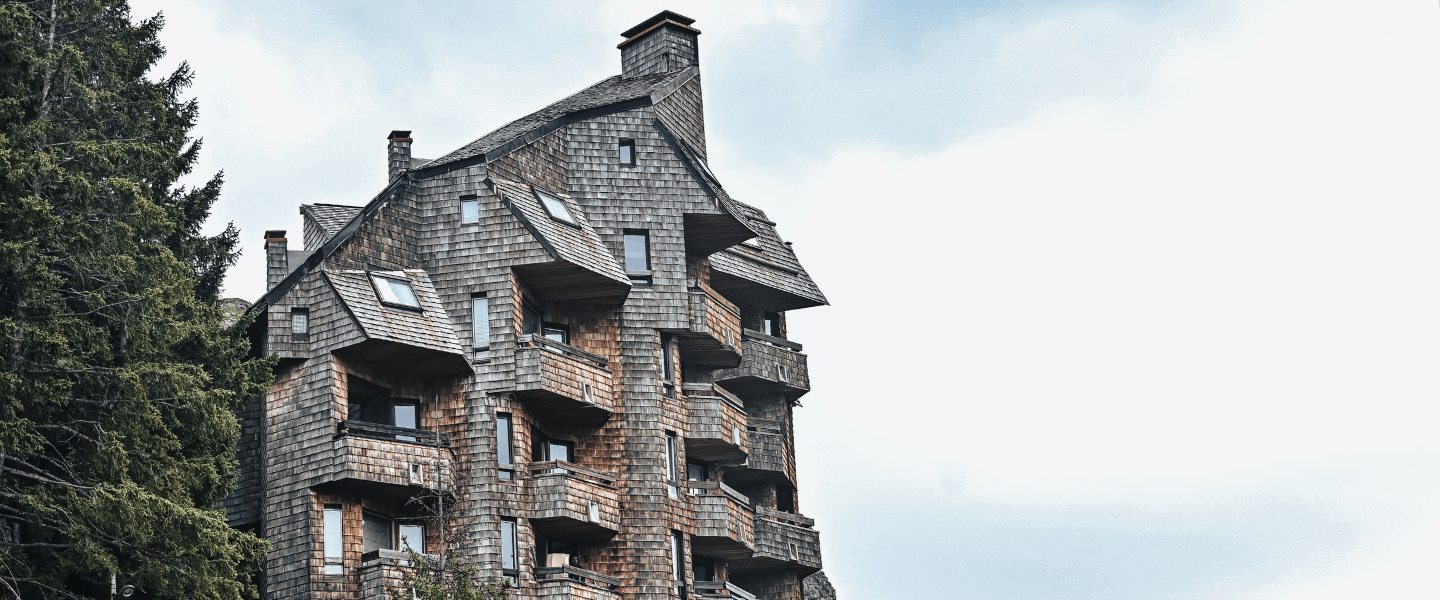
In Avoriaz, wood is everywhere. The façades are clad with tavaillons. Red cedar shingles traditionally used on most Savoyard roofs. This architectural mimicry extends even to the choice of colors: the shingles are left untreated so that time and the elements can add their own shades. The south-facing façades take on a mink-grey hue, the north turn to ash-grey, while the east and west glow with a chestnut-brown, echoing the bark of the trees and the surrounding rock. They are deliberately left without any varnish.

Figures
The name of Jacques Labro is closely linked to the Avoriaz ski resort, which he designed in the mid-1960s. He is, and will remain, one of the resort’s iconic figures.
Les Hauts-Forts 2 listed as a Historic Monument
For the first time, one of Avoriaz’s landmark works is now protected: the organic architecture of Jacques Labro (1935–2024) has joined the ranks of Historic Monuments.
After two years of review by the Ministry of Culture, the building Les Hauts-Forts 2, located in Avoriaz, has just been officially listed as a Historic Monument (prefectoral decree, Auvergne-Rhône-Alpes Region, dated February 18, 2025).
Les Hauts-Forts 2Pioneering building
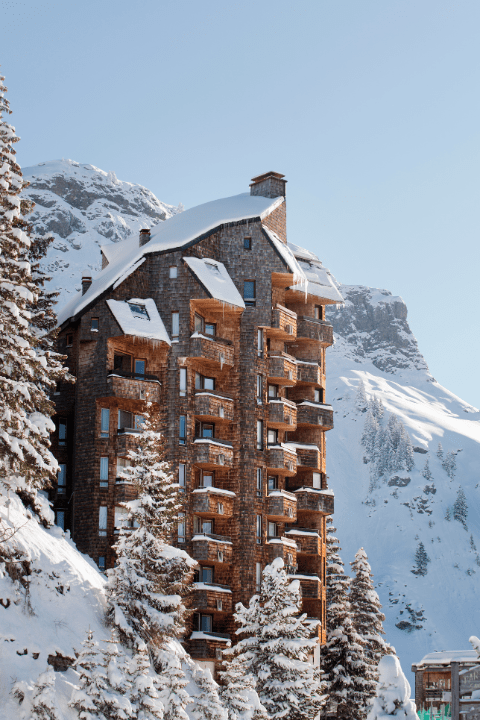
Built in the late 1960s, Les Hauts-Forts 2 is one of the very first buildings in the Avoriaz resort. It was designed by Jacques Labro (1935–2024), a young and already promising architect who had just graduated and had recently been awarded the prestigious Prix de Rome in 1961.
From the very beginning, Labro envisioned an architecture designed with the mountain rather than against it. His idea was to create bold, distinctive buildings, positioned at key points on the plateau so they could engage with the natural contours and extend the surrounding landscape.
Les Hauts-Forts 2 is a perfect example of this vision. Its silhouette seems to blend seamlessly into the terrain:
- At the base, the building is raised above the ground on thirteen slender columns, like stilts, revealing the rocky cliff it crosses.
- At the top, a glazed walkway connects the building to the plateau of the cliff, enclosing a small patch of alpine meadow transformed into a mountain garden.
This approach, known as organic architecture, defines the entire body of Jacques Labro’s work in Avoriaz, where he continued to shape the resort for more than fifty years.
At the time, Labro was not working alone: he was surrounded by a team of architects and young talents brought together within the Atelier d’Architecture d’Avoriaz. Together, they created the resort’s fifth building, commissioned by the Société Immobilière de Construction d’Avoriaz (SICA), led by developer Gérard Brémond.
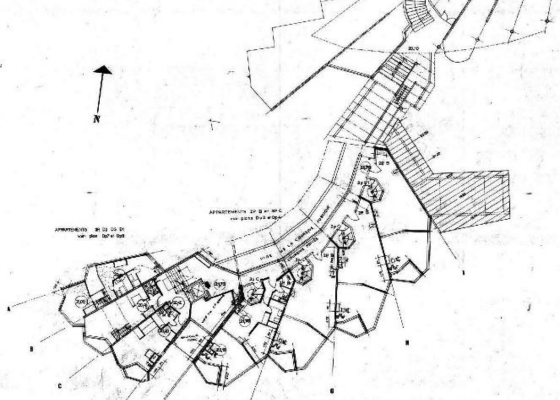
In practical terms, the building is laid out in two fan-shaped wings connected by a central core with elevator and staircases. This design ensured that each of the 60 apartments enjoyed an open, unobstructed view. With its 11 floors and 32-meter height, Les Hauts-Forts 2 quickly became a strong architectural landmark in the resort’s landscape.
Located between the upper cable car station square and the Place des Dromonts. The upper part of the resort at the time. The architecture of Les Hauts-Forts was immediately embraced by both holidaymakers and permanent residents. It was also praised by both the specialized and general press from the moment the building was delivered.
Preservation and Recognition
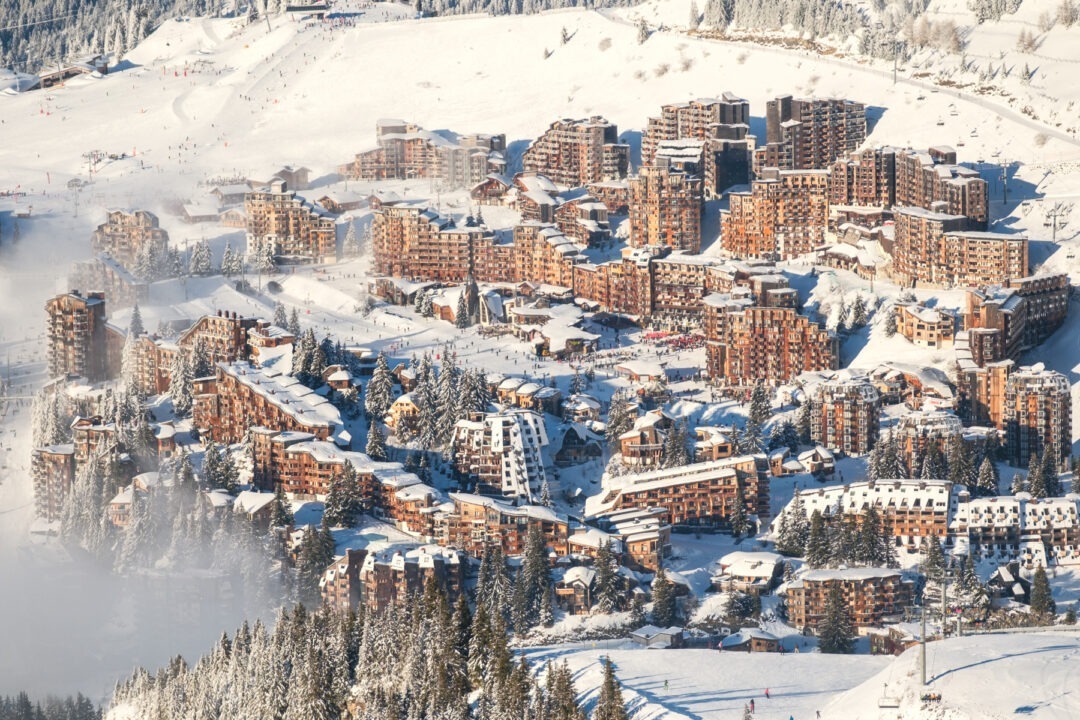
For more than fifty years, Jacques Labro worked to preserve the architectural identity of Avoriaz. Together with Gérard Brémond, a visionary developer and founder of the Pierres & Vacances group, he shaped a resort that was both coherent and innovative, built like a true “new town” in the heart of the mountains.
This rare partnership between architect and developer gave Avoriaz a unity and an aesthetic strength that remain its hallmark today.
Recognition came in 2003, when the French State awarded Avoriaz the label “Remarkable Contemporary Architecture.” The recent listing of the Les Hauts-Forts 2 building as a Historic Monument marks a new milestone. But to ensure lasting protection of this heritage, a broader measure is sought: the creation of a Remarkable Heritage Site (Site Patrimonial Remarquable, SPR), the only regulatory tool capable of guaranteeing the overall architectural and urban coherence of the resort.
Organic architecture

The architecture mimics the surrounding landscape and blends into the environment, offering an example of the perfect marriage between modernity and nature. The resort's unique lines have officially made Avoriaz one of the great architectural achievements of the 20th century.
History

Avoriaz 1800, the wild gamble of 3 men who, at less than 30 years of age, defied every pre-conceived idea to create this unique and sustainable resort.
Pedestrian resort
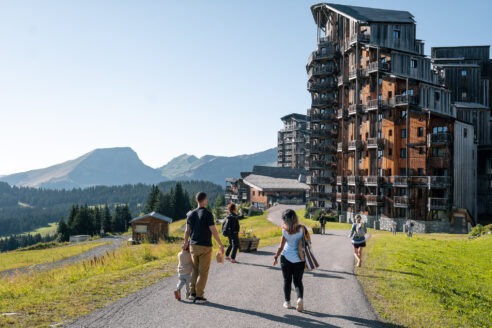
Since its creation, Avoriaz 1800 has been designed as a car-free resort, with a unique concept of a 100% pedestrian village. In winter, people move around on skis through snowy streets where skiers, pedestrians and horse-drawn sleighs share a magical setting. In summer, cars are left behind in favour of walking, cycling or riding a scooter, in a peaceful, family-friendly atmosphere. Everything is within easy reach, surrounded by unspoiled nature. In Avoriaz, freedom and simplicity truly come to life.
Virtual tour

Thanks to our virtual tour, immerse yourself in Avoriaz, a unique resort in the heart of the Alps. Avoriaz stands out as an entirely pedestrianized destination, fully blanketed in snow during winter, offering a car-free experience both in winter and summer. Here, nature reigns supreme, allowing visitors to fully enjoy the fresh air and tranquility of the mountains.
À cette époque, on nous laissait la liberté d’inventer un site. C’était l’imagination qui parlait !


